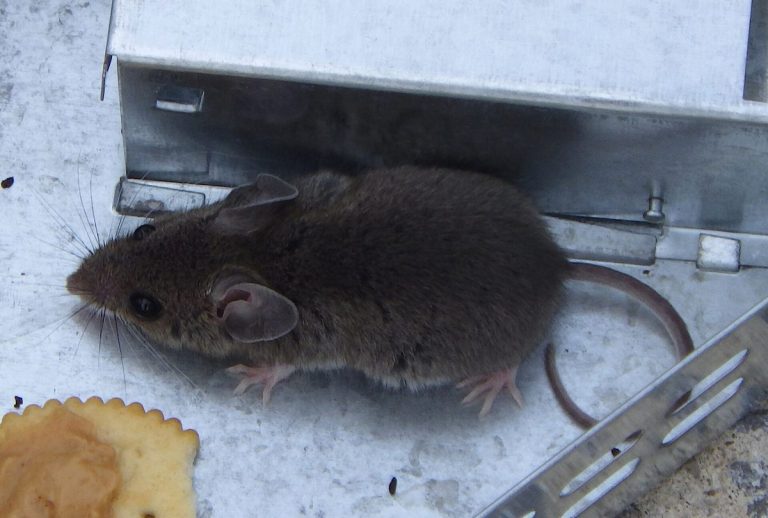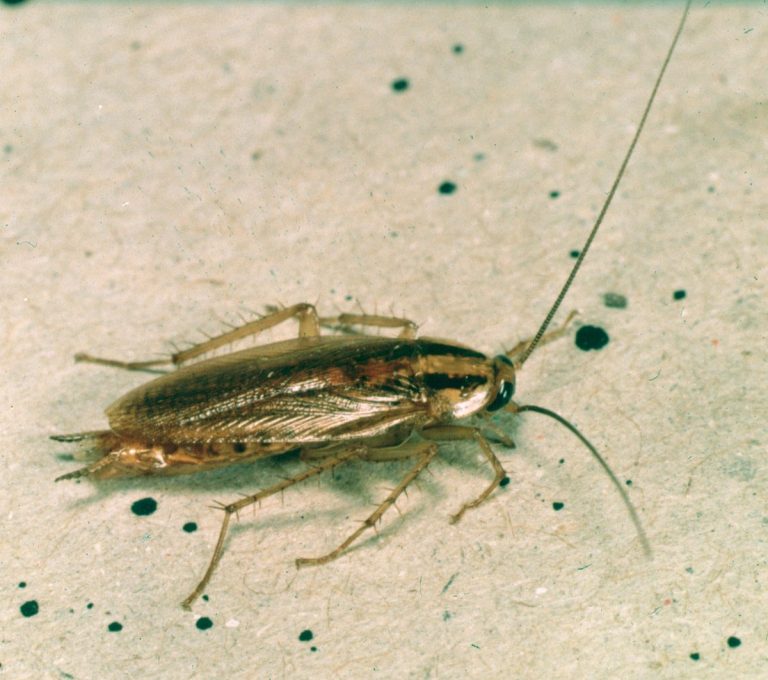
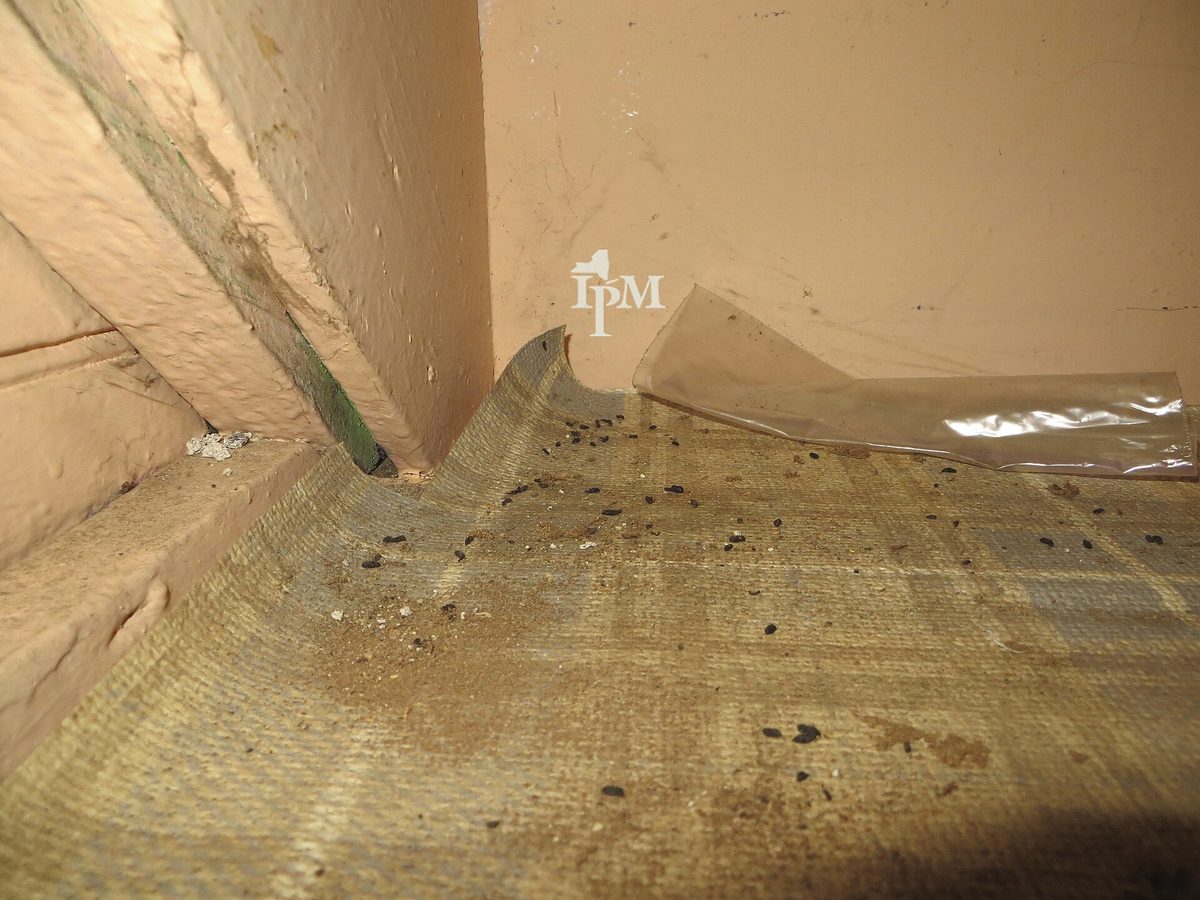
The most common signs of a pest infestation are droppings, night-time noises inside walls or ceilings, gnaw or smear marks along baseboards, and physical evidence near food or water — shed shells, grease trails, nests, or bite marks. Finding one sign means it’s time to identify the pest; finding two or more usually means the problem is already established.
Droppings tell you the pest (size and shape are the giveaway). Noises at night = rodents. Grease trails and gnawing = rodents or wildlife. Itching with no bugs visible = check the bed seams. Spot any of these early and the fix is cheaper — see the pest-by-pest table below for what each sign means.
Droppings: How to Tell Mice, Rats, Roaches, and Bats Apart
Droppings are the fastest ID tool you have. Size, shape, and location narrow it down quickly:
| Dropping | Size | Shape | Where you’ll find it |
|---|---|---|---|
| Mouse | 3–6 mm | Rice-shaped, pointed ends, dark | Scattered along walls, under sinks, in drawers and pantries |
| Rat | 12–20 mm | Blunter, banana-curve, dark | Along walls and runways, near foundations, in attics |
| Cockroach | 1–2 mm | Like coarse black pepper or coffee grounds | In cabinet corners, appliance gaps, bathroom seams |
| Bat | 4–8 mm | Elongated, crumbly (shiny insect fragments) | Piled below entry points in attics, on wall ledges |
| Squirrel | 8–12 mm | Rounded, varies with diet | Attic insulation, near entry holes |
Fresh droppings are dark and soft; old ones are grey and dusty. A mix of both means an ongoing population. Wear gloves and a mask when cleaning any of it up — droppings of every species on this list carry health risks, and bat and rodent droppings especially shouldn’t be swept dry.
Sounds: What Different Pests Sound Like
- Fast, light skittering at night: mice. Small, quick, stops and starts.
- Heavier thumping or dragging: rats. They sound like something bigger because they are.
- Loud scrambling in daylight, especially morning and dusk: squirrels — they’re diurnal, so the timing itself is a clue.
- Slow, deliberate shuffling in the attic: raccoons, particularly in spring when a mother is denning.
- Buzzing inside a wall or ceiling: a wasp or hornet nest in the cavity. If the sound grows over weeks, the nest is growing.
- Scratching inside one wall spot that never moves: could be a trapped bird or a nest site — worth a look before it becomes a smell.
When the noise happens matters almost as much as the sound. Nocturnal movement is rodents; daytime activity points to squirrels; winter-only noise in a Saskatoon house is almost always mice heading indoors for the season.
Smells: What Each Odour Suggests
- Ammonia, concentrated: a rodent nest or heavy urine trail — usually strongest in enclosed spots like cabinets or furnace rooms.
- Musty, oily, sweetish: cockroaches. A noticeable roach smell means the population is large; you’ll smell it before you see many.
- Sweet, sickly and getting stronger over days: something died in a wall or under a floor. It resolves on its own in a couple of weeks, but the carcass also attracts other pests.
- Musky attic smell: squirrels, raccoons, or bats denning above you.
Physical Damage and Other Evidence
- Gnaw marks: rodents gnaw constantly. Fresh marks are light-coloured and rough; check the corners of food packaging, plastic bins, and the base of door frames. Gnawed electrical wiring is a fire risk — that’s the one to take seriously.
- Grease or smear trails: along baseboards and pipe runs, from rodent fur. A dark line on a light wall is a highway map.
- Shed shells and skins: translucent husks near the bed mean bed bugs moulting; papery wing cases scattered on window sills can mean a wasp nest in the cavity.
- Nests: shredded insulation, paper, or fabric in quiet spots — the back of a drawer, a storage box, the furnace room.
- Holes and disturbed soil: dug-up lawns and burrow holes mean gophers, voles, or moles — a different problem from indoor pests, but just as destructive to acreage lawns.
- Mud tubes along the foundation or sill plates: in other parts of Canada this means termites. Saskatoon is at the northern edge of termite territory, so mud tubes here are worth a professional look even though they’re uncommon.
Bites and Skin Reactions
- Lines or clusters of small itchy welts, especially after sleeping: bed bugs. Check mattress seams for the dark dots and shells before you blame anything else.
- Itchy ankles after yard time: fleas. Flea bites cluster low on the body; bed bug bites are often on exposed skin.
- A sting while working in the yard or eaves: wasps or hornets nesting nearby — they’ll defend a nest you haven’t found yet.
- A spreading rash with no visible bugs at all: still worth ruling out bed bugs and rodent mites, both of which bite without being seen.
Signs by Pest — Quick Reference
| Sign | Likely pest | What to do next |
|---|---|---|
| Rice-shaped droppings, night scratching | Mice | Start trapping + sealing — mouse control guide |
| Blunt large droppings, grease trails | Rats | Professional treatment — rodent control |
| Dark dots on mattress seams, shells, bites | Bed bugs | Confirm + contain fast — bed bug treatment |
| Pepper-like specks in cabinets, musty smell | Cockroaches | Don’t spray — bait — cockroach control |
| Fine sawdust piles on sills, large ants indoors | Carpenter ants | Locate the nest — ant control |
| Buzzing in walls, nest at the eave | Wasps/hornets | Don’t knock it down — wasp removal |
| Papery nest under the deck, stings | Wasps (ground/void) | Wasp removal |
| Itchy ankles, fleas on the pet | Fleas | Treat pet + home together — flea & tick control |
| Shed wings + tube shapes on sills | Swarming insects | Photograph + get an ID — insect control |
| Burrow holes, torn-up lawn | Gophers, voles, moles | Gopher control |
| Noises in the attic during the day | Squirrels | Squirrel removal |
| Heavy shuffling in attic, spring | Raccoon (likely denning) | Skunk & raccoon removal |
| Crumbly droppings piled in the attic | Bats | Bat removal |
| Bands of dead bugs at south-facing windows in fall | Boxelder (Maple) bugs | Nuisance bug control |
| Webs returning within days of cleaning | Spiders | Spider control |
When Early Signs Mean It’s Time to Call a Pro
Some signs are worth acting on immediately rather than waiting out a DIY cycle:
- Droppings in more than one room, or upstairs — established populations don’t stay put.
- Anything inside walls or the attic that you can’t access or identify by sound.
- Gnawed wiring — treat it as urgent for the fire risk alone.
- Bed bug evidence of any kind — they don’t stay light for long, and early treatment is the cheap version.
- Cockroaches in a multi-unit building — units share the problem, and one treated unit gets re-infested by the others.
- Any sign you can’t confidently ID. Half of professional inspections end with “good news — it’s not what you feared.” Getting the pest right is the whole game.
A free inspection answers the one question this guide can’t: how big is it, exactly. In Saskatoon and the surrounding towns, Pesto Pest Control inspects first and quotes up front — you’ll know what you’re dealing with before any money changes hands.
Spotted the signs? Book a Saskatoon inspection — call 306-715-1217.
Frequently asked questions
What are the first signs of mice in a house?
Small dark droppings shaped like rice along walls, gnaw marks on food packaging, and quick scratching sounds at night — usually starting in the kitchen, pantry, or garage.
What do mouse droppings look like compared to rat droppings?
Mouse droppings are 3–6 mm with pointed ends, like grains of rice. Rat droppings are 12–20 mm, blunter, and often curved. Size is the fastest way to tell which rodent you're dealing with.
Can you have an infestation without seeing bugs?
Yes — most infestations are heard or found as evidence long before the pest appears in the open. Droppings, gnaw marks, grease trails, shed shells, and night noises are all earlier indicators than a sighting.
What do bed bug bites look like?
Small, itchy welts, often in lines or clusters on skin that's exposed during sleep. Bites alone aren't proof — confirm with physical signs on the mattress: dark seam dots, shed shells, or live bugs.
When should I call an exterminator instead of treating it myself?
When signs show up in multiple rooms, inside walls or attics you can't access, in shared-wall buildings, or after a DIY cycle hasn't worked within two weeks. Where that line sits depends on the pest — the pest-specific guides on this site each cover it.